
Imagine you are on vacation with your family, enjoying a relaxing time by the pool when suddenly, a child drowns in the pool. This was the reality for Urban Rescue Solutions founder, Scott Carter, who saved a boy's life with CPR while on vacation. In this critical moment, there was no Automated External Defibrillator (AED) on site, highlighting the importance of having this life-saving device readily available in public spaces, especially hotels.
What is an AED and How Does it Work?
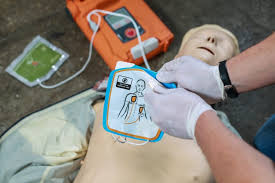
An Automated External Defibrillator (AED) is a portable device that delivers an electric shock to the heart to help restore its normal rhythm during sudden cardiac arrest. It is designed to be user-friendly, with voice prompts and visual instructions to guide even untrained individuals in using it effectively.
Why Would a Hotel or (Any Business) Need an AED?
Sudden cardiac arrest can happen to anyone, regardless of age or health status. In fact, it is one of the leading causes of death globally, with a survival rate of less than 10% without immediate intervention. Hotels, being high-traffic public spaces, have a responsibility to ensure the safety and well-being of their guests and staff.
The Importance of Quick Response
Time is of the essence when it comes to sudden cardiac arrest. For every minute that passes without defibrillation, the chances of survival decrease by 7-10%. Having an AED on site can significantly increase the likelihood of survival, as it allows for immediate treatment before emergency medical services arrive.
Legal and Ethical Obligations
From a legal standpoint, hotels may have a duty of care to provide a safe environment for their guests. Failing to have an AED on site could potentially result in legal liabilities in the event of a cardiac emergency. Moreover, from an ethical perspective, having an AED demonstrates a commitment to the well-being of guests and staff.
Training and Maintenance
Simply having an AED is not enough; proper training and maintenance are crucial. Hotel staff should be trained in CPR and AED use to ensure a quick and effective response in case of an emergency. Regular maintenance and testing of the AED are also essential to ensure its functionality when needed.
In conclusion, the story of Scott Carter's heroic act serves as a powerful reminder of the importance of having AEDs in public spaces like hotels. These devices can truly make a difference in saving lives and should be considered a vital safety measure for any establishment. By investing in AEDs and proper training, hotels can create a safer environment for everyone who walks through their doors.